Now Reading: Portion Control Hacks That Actually Work
-
01
Portion Control Hacks That Actually Work

Portion Control Hacks That Actually Work
Do you ever feel like you’re eating healthy foods but still not losing weight? The problem may not be what you’re eating—it could be how much. Portion control is one of the most effective ways to manage your weight, improve digestion, and feel more energetic. The good news is you don’t have to starve yourself. With a few smart hacks, you can enjoy your favorite meals while staying in control. Let’s explore some portion control strategies that actually work in real life.
Why Portion Control Matters
In today’s world, restaurants and packaged foods often serve oversized portions that trick our brains into thinking we need more. Consistently eating bigger servings than our bodies require leads to weight gain, sluggishness, and even long-term health problems. By practicing portion control, you can balance your calorie intake, avoid overeating, and still feel satisfied.
1. Use Smaller Plates and Bowls
Believe it or not, the size of your plate can affect how much you eat. Research shows that when people use larger plates, they tend to serve themselves more food. Switching to smaller dinnerware creates the illusion of a fuller plate, helping you naturally eat less without feeling deprived.
2. Follow the Plate Method
The plate method is a simple visual guide to balance your meals:
- Half your plate should be filled with vegetables and salad.
- One-quarter should contain lean protein like chicken, fish, or beans.
- One-quarter should be whole grains or starchy foods like brown rice or sweet potatoes.
This method ensures you’re getting all nutrients while keeping portions in check.
3. Pre-Portion Snacks
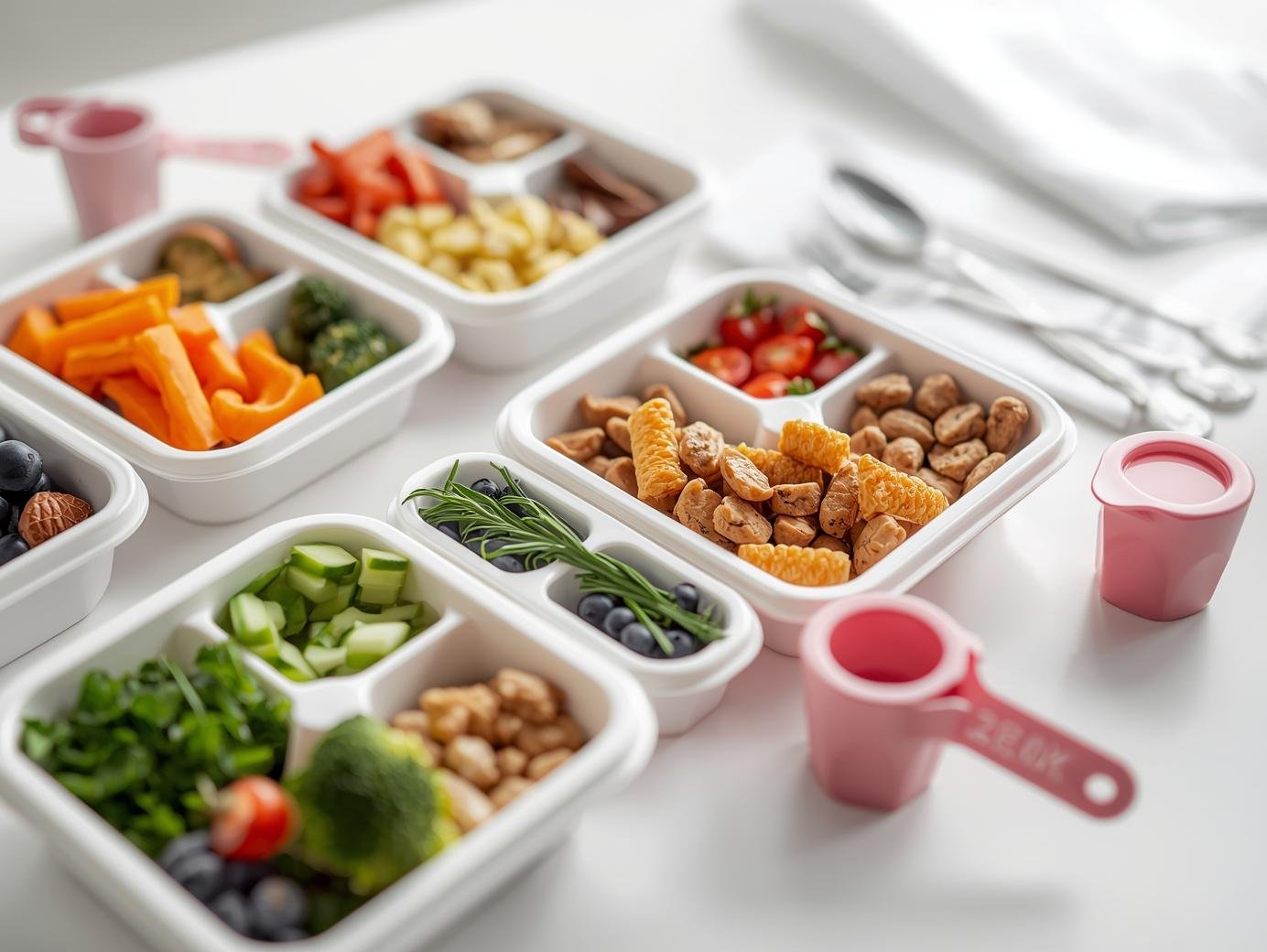
Grabbing a bag of chips or nuts while watching TV often leads to mindless overeating. Instead, divide snacks into small containers or zip-lock bags. That way, you’ll know exactly how much you’re eating without going overboard.
4. Drink Water Before Meals
Sometimes our bodies confuse thirst with hunger. Drinking a glass of water 15–20 minutes before a meal helps you feel fuller and prevents overeating. Plus, it supports digestion and keeps you hydrated throughout the day.
5. Don’t Eat Straight from the Package
Whether it’s ice cream, cookies, or popcorn, eating directly from the container makes it hard to stop. Always serve yourself a portion on a plate or bowl and put the rest away. This creates a physical stop point that reminds you to eat mindfully.
6. Slow Down and Chew Properly
Your brain takes about 20 minutes to realize you’re full. Eating too fast often leads to overeating before your body can signal satiety. Chew slowly, enjoy the flavors, and give your body time to respond. Using smaller bites or putting down your fork between bites also helps.
7. Use Hand as a Portion Guide
If you don’t have measuring cups handy, your hands can be a reliable tool:
- Protein (meat, fish, beans): about the size of your palm
- Carbs (rice, pasta, bread): about a cupped handful
- Fats (cheese, nuts, oils): about the size of your thumb
- Vegetables: as much as two cupped hands
This practical trick works anywhere—whether you’re at home, in a restaurant, or eating at a friend’s place.
8. Mind Your Liquids
Sugary drinks like soda, fruit juices, and even fancy coffee beverages are loaded with hidden calories. Instead, opt for water, unsweetened tea, or black coffee. If you enjoy juices or smoothies, serve them in small glasses rather than oversized cups.
9. Avoid Eating in Front of Screens
When you eat while watching TV, scrolling on your phone, or working on your laptop, you’re less aware of how much you consume. Create a habit of eating at the dining table without distractions. Mindful eating helps you enjoy food more and naturally prevents overeating.
10. Store Leftovers Smartly
If you cook a large meal, don’t leave the serving dishes on the table. Instead, pack leftovers into containers immediately and refrigerate them. This reduces the temptation to take second or third helpings just because the food is in front of you.
11. Practice the 80% Full Rule
Many cultures, such as in Japan, follow the concept of eating until you are about 80% full. This prevents the discomfort of overeating and keeps digestion smooth. The next time you eat, pause when you feel satisfied, not stuffed.
12. Plan Your Meals
Planning meals in advance helps you control portions and prevents last-minute unhealthy food choices. Prepare balanced meals with the right proportions and pack them in containers for work or school. This keeps your diet consistent and portion-friendly.
13. Eat Protein and Fiber First
Starting your meal with protein-rich or high-fiber foods like chicken, eggs, beans, or salad helps you feel full faster. This reduces the chances of overeating high-calorie carbs and desserts later on.
14. Be Aware of Restaurant Portions
Dining out can be tricky because restaurants often serve extra-large portions. Share a dish with a friend, ask for a half-portion, or pack half of your meal to take home before you start eating. This way, you enjoy the meal without going overboard.
15. Use Technology Wisely
Several apps can help track portions and calories. While you don’t need to count every bite, tracking for a week or two can give you a clear picture of your eating habits and help you adjust portion sizes better.
Final Thoughts
Portion control is not about strict dieting or depriving yourself—it’s about making smart choices that support your health and lifestyle. With simple hacks like smaller plates, mindful eating, and pre-portioning snacks, you can enjoy food without guilt and still maintain your weight goals. Remember, consistency matters more than perfection. Start small, practice daily, and watch how these little changes bring big results to your health and energy levels.
Want more smart lifestyle tips? Visit Smart Life Solutions for practical guides on health, fitness, home, and personal growth.