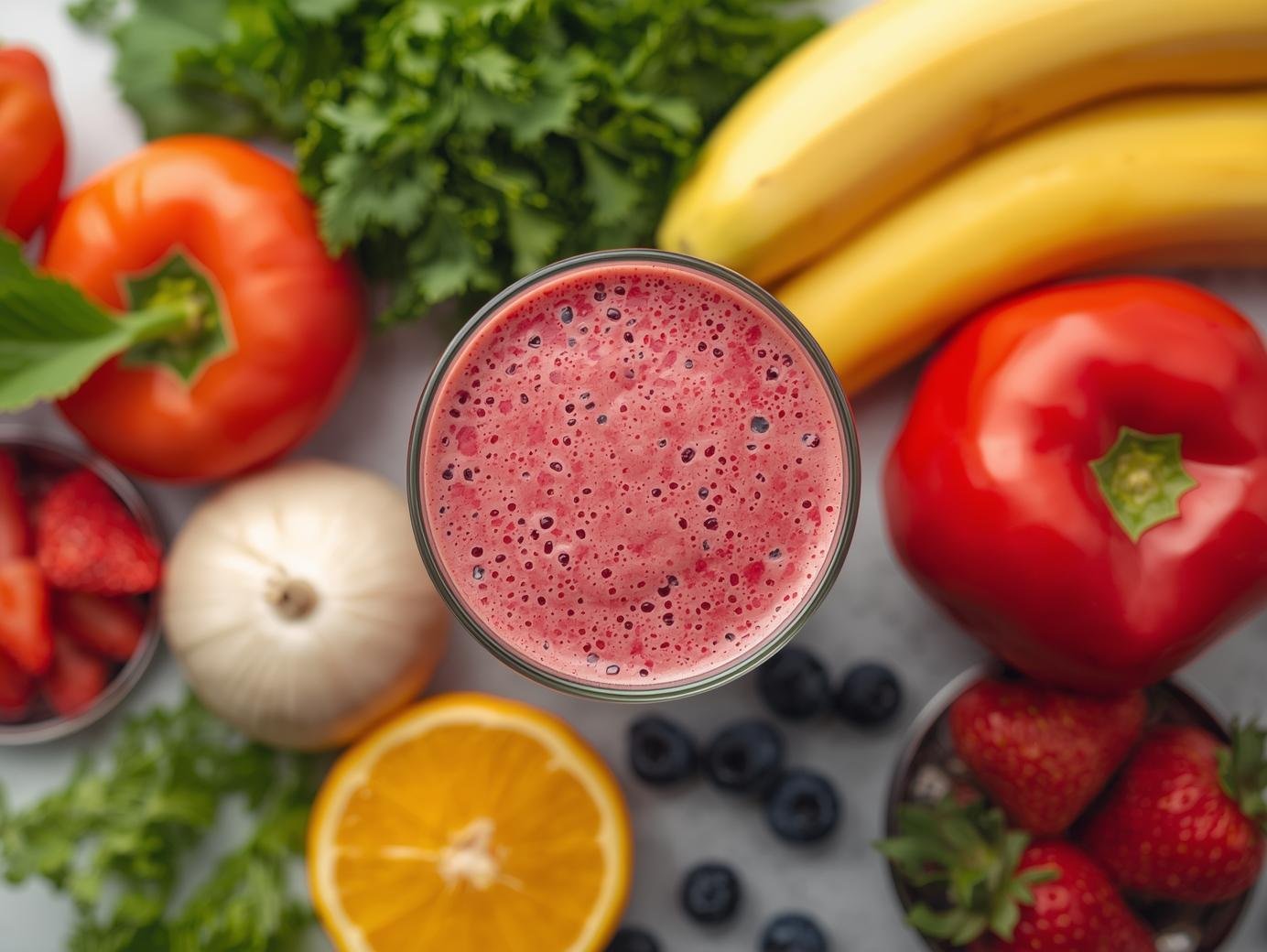
How to Avoid Junk Food Cravings
Junk food cravings are one of the biggest challenges for anyone who wants to maintain a healthy lifestyle.
Burgers, fries, chips, sodas, and sugary desserts may taste delicious, but consuming them regularly
can lead to weight gain, low energy, and long-term health problems.
The good news is that with the right strategies, you can control these cravings and enjoy a healthier,
more balanced life.
Why Do We Crave Junk Food?
Cravings are not always about hunger. Sometimes they are triggered by emotions, habits,
or even the brain’s reward system. Junk foods are often designed to be addictive because
they contain high amounts of sugar, salt, and unhealthy fats that make us want more.
Understanding the root of your cravings is the first step to controlling them.
1. Stay Hydrated
Many people confuse thirst with hunger. Drinking a glass of water before reaching for snacks
can reduce unnecessary cravings. Keep a reusable water bottle with you throughout the day
to stay hydrated and energized.
2. Eat Balanced Meals
Skipping meals or eating nutrient-poor foods can increase cravings.
Focus on balanced meals that include lean protein, whole grains, healthy fats,
and plenty of vegetables. When your body gets the nutrition it needs,
you are less likely to crave unhealthy options.
3. Don’t Shop Hungry
One of the easiest ways to avoid junk food cravings is to keep them out of your home.
Shopping when you’re hungry often leads to impulse buying.
Always make a grocery list and shop after a meal so you stick to healthy items only.
4. Find Healthy Alternatives
Instead of completely cutting off snacks, replace them with healthier versions.
For example:
- Swap chips with air-popped popcorn or roasted nuts.
- Replace sugary sodas with infused water or herbal tea.
- Choose dark chocolate instead of candy bars.
5. Manage Stress
Stress eating is one of the most common reasons people reach for junk food.
Instead of turning to chips or ice cream, try healthier stress management techniques
like meditation, yoga, journaling, or simply going for a walk.
6. Get Enough Sleep
Lack of sleep affects your hormones, especially those that control hunger and cravings.
When you are tired, you are more likely to crave high-sugar and high-fat foods.
Aim for 7–8 hours of quality sleep each night to keep cravings under control.
7. Plan Your Meals and Snacks
Meal planning helps you avoid last-minute fast-food decisions.
Prepare healthy snacks like fruit, yogurt, or boiled eggs in advance.
Having these ready makes it easier to say “no” to junk food.
8. Practice Mindful Eating
Slow down and pay attention to your food.
When you eat mindfully, you enjoy the flavors and feel satisfied with smaller portions.
This reduces the desire to overeat or binge on junk food.
9. Set Realistic Goals
Completely banning junk food may lead to stronger cravings.
Instead, set realistic goals like reducing soda to once a week or limiting fast food
to special occasions. Small, consistent changes are easier to stick with in the long run.
10. Reward Yourself in Healthy Ways
If you reach a goal, reward yourself — but not with junk food.
Treat yourself to a new book, a relaxing massage, or a fun outing.
Positive reinforcement keeps you motivated without falling back into old habits.
Long-Term Benefits of Avoiding Junk Food
By controlling junk food cravings, you will notice improvements in your overall health.
Some benefits include:
- Better weight management.
- Improved energy levels and productivity.
- Clearer skin and better digestion.
- Lower risk of heart disease, diabetes, and obesity.
Final Thoughts
Avoiding junk food cravings is not about strict dieting or denying yourself completely.
It’s about creating healthier habits, listening to your body, and making better choices.
Start small, stay consistent, and over time, your desire for unhealthy snacks will fade away.
Remember, your health is an investment, not an expense.