Now Reading: Budget-Friendly Healthy Eating Tips
-
01
Budget-Friendly Healthy Eating Tips
Budget-Friendly Healthy Eating Tips
Budget-Friendly Healthy Eating Tips
Eating healthy often comes with the misconception that it is expensive. The truth is, with the right planning, you can enjoy nutritious meals without breaking the bank. A balanced diet on a budget is possible if you focus on smart grocery shopping, meal prep, and mindful eating habits. In this article, we’ll share practical and budget-friendly healthy eating tips that can help you save money while taking care of your health.
Why Healthy Eating on a Budget Matters
Maintaining good health does not need to cost a fortune. Choosing the right foods helps reduce medical expenses, keeps your energy levels high, and supports long-term wellness. By learning how to budget your meals, you can avoid expensive fast food and still enjoy fresh, wholesome, and delicious meals.
1. Plan Your Meals in Advance
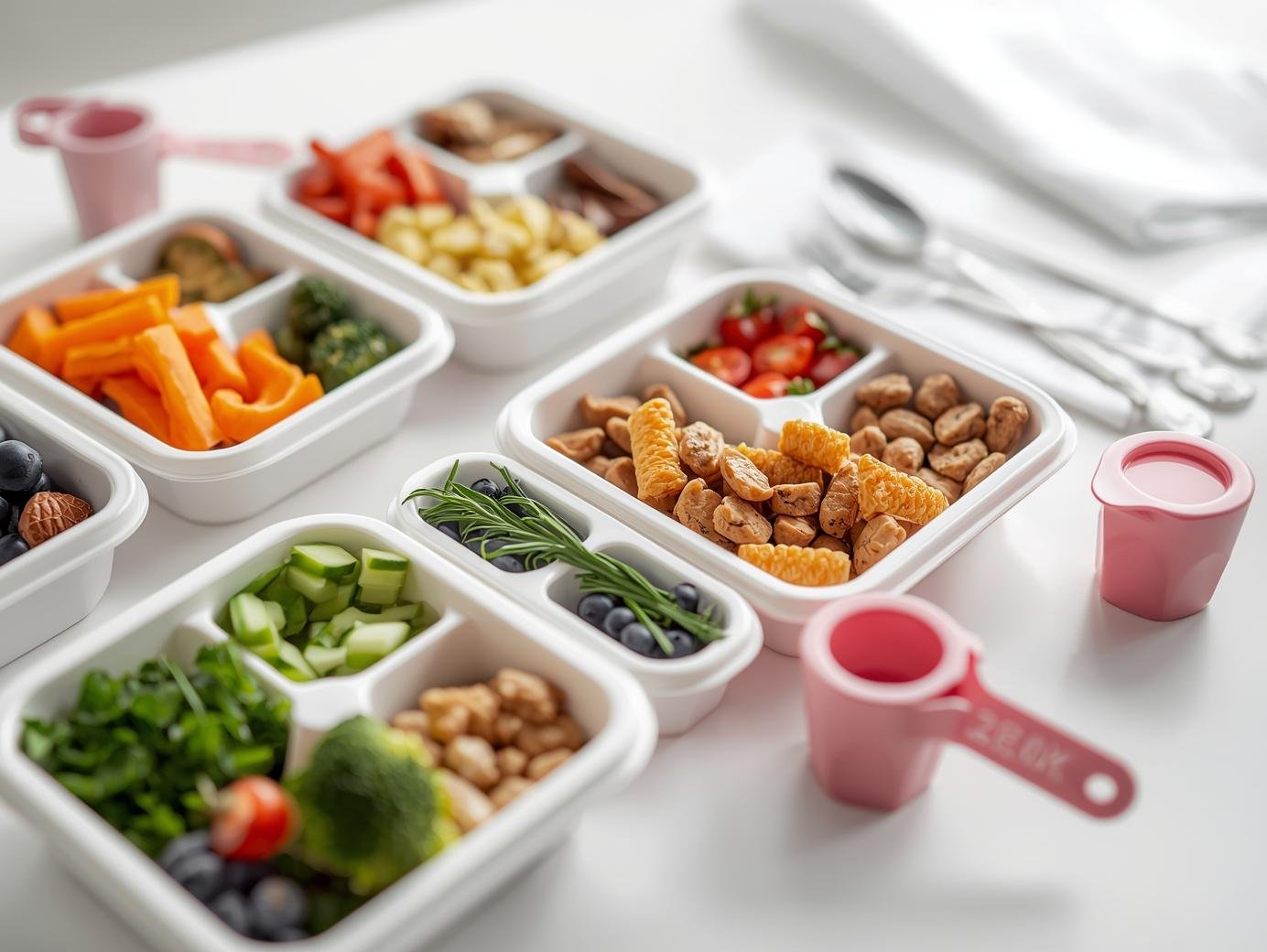
Meal planning is one of the best ways to control spending and reduce food waste. Create a weekly menu and write down the ingredients you need before going grocery shopping. This way, you’ll buy only what is necessary, avoid impulse purchases, and stay on track with your health goals.
2. Buy Seasonal and Local Produce
Fresh fruits and vegetables can be costly when purchased out of season. Instead, shop for seasonal produce, which is often cheaper, tastier, and more nutritious. Local markets or farmers’ markets usually offer better deals than supermarkets.
3. Cook at Home More Often
Eating out or ordering takeout regularly can quickly drain your budget. Cooking at home allows you to control ingredients, portion sizes, and flavors while saving money. Simple recipes like stir-fried vegetables, soups, or homemade wraps can be healthy and affordable.
4. Use Whole Grains and Legumes
Grains and legumes are inexpensive sources of nutrition. Foods like brown rice, lentils, beans, and oats are filling, versatile, and packed with fiber and protein. You can prepare them in large quantities and use them for multiple meals throughout the week.
5. Buy in Bulk When Possible
Buying pantry staples such as rice, beans, pasta, and oats in bulk can save you a lot of money in the long run. Bulk purchases reduce packaging costs and ensure you always have healthy ingredients available for quick meals.
6. Limit Processed and Packaged Foods
Packaged snacks and processed foods often cost more while offering little nutritional value. By avoiding these, you’ll save money and improve your health. Instead, prepare your own snacks such as roasted chickpeas, fruit slices, or homemade granola bars.
7. Don’t Skip Frozen Fruits and Vegetables
Frozen produce is often just as nutritious as fresh and usually more affordable. They last longer, reduce food waste, and are convenient for smoothies, soups, and quick meals. Stocking up on frozen vegetables ensures you always have healthy options available.
8. Drink More Water
Soft drinks, juices, and energy drinks are costly and packed with sugar. Water, on the other hand, is free or inexpensive and essential for good health. Carry a reusable water bottle to avoid spending on bottled drinks while staying hydrated throughout the day.
9. Reduce Meat Consumption
Meat is often one of the most expensive items in your grocery cart. Try adding more plant-based meals to your diet by incorporating beans, lentils, tofu, or chickpeas as protein alternatives. Even reducing meat consumption to a few days a week can save a significant amount of money.
10. Prepare Larger Portions and Use Leftovers
Cooking larger portions saves time and money. Store leftovers in the refrigerator or freezer for future meals. Leftovers can also be repurposed—yesterday’s roasted chicken can become today’s chicken salad or wrap.
11. Grow Your Own Herbs and Vegetables
If you have space at home, growing herbs and vegetables is an excellent way to save money and ensure freshness. Even small balcony gardens can produce basil, mint, tomatoes, or chilies, cutting down grocery costs while adding flavor to your meals.
12. Shop with Discounts and Loyalty Programs
Many grocery stores offer loyalty cards, weekly deals, and discount coupons. Taking advantage of these offers can significantly reduce your monthly food expenses. Compare prices before purchasing to make sure you are getting the best deal.
13. Stick to a Grocery List
Impulse buying often increases food costs and leads to waste. A simple habit of sticking to your grocery list can help you save money and stay focused on healthy options. Avoid shopping when hungry, as it may tempt you to buy unnecessary snacks.
14. Avoid Wasting Food
Food waste is a hidden cost many families overlook. Use your leftovers, freeze extra portions, and track expiration dates. Learning how to store food properly extends its shelf life and prevents waste.
15. Practice Portion Control
Eating smaller portions not only improves health but also helps stretch your groceries further. By practicing portion control, you can reduce overeating, save money, and maintain a healthy weight at the same time.
Conclusion
Healthy eating on a budget is about making smarter choices, not spending more money. By planning meals, shopping smartly, and preparing food at home, you can enjoy a balanced diet while keeping costs low. Start with small changes today, and you’ll notice both your health and your wallet benefiting in the long run.
At Smart Life Solutions, we believe that living well doesn’t have to be expensive. Follow these tips, and you’ll discover that healthy eating can be both affordable and enjoyable.