Now Reading: How to Reduce Sugar Without Missing Sweetness
-
01
How to Reduce Sugar Without Missing Sweetness
How to Reduce Sugar Without Missing Sweetness
How to Reduce Sugar Without Missing Sweetness
We all love sweet flavors, but consuming too much sugar can harm our health in the long run. Excess sugar is linked to weight gain, diabetes, heart issues, and even poor skin health. The good news is that you don’t have to give up sweetness to reduce sugar. With smart choices and natural alternatives, you can enjoy delicious flavors while improving your lifestyle. In this article, we’ll explore practical ways to cut down sugar without feeling deprived.
Why Reducing Sugar Matters
Sugar is found not only in desserts but also in processed foods, sauces, drinks, and snacks. Eating too much sugar can lead to:
- Increased risk of type 2 diabetes
- Obesity and weight gain
- Heart diseases and high blood pressure
- Tooth decay and oral problems
- Low energy levels and sugar crashes
By learning to reduce sugar, you protect your health while still enjoying sweet satisfaction.
1. Start with Awareness
The first step in reducing sugar is understanding where it comes from. Check nutrition labels when buying packaged foods. Ingredients like glucose syrup, fructose, sucrose, and high-fructose corn syrup are hidden forms of sugar. Once you become aware of these, you can make better choices.
2. Choose Natural Sweeteners
You don’t have to give up sweetness—just switch to healthier alternatives. Some natural sweeteners include:
- Stevia: A zero-calorie sweetener made from plant leaves.
- Honey: Natural, rich in antioxidants, but should still be used in moderation.
- Maple Syrup: Provides minerals and a unique flavor.
- Dates: A whole-food option that adds fiber and nutrients.
3. Cut Back on Sugary Drinks
Sodas, energy drinks, and even packaged fruit juices are loaded with sugar. Instead, try:
- Infused water with lemon, mint, or cucumber
- Green tea or herbal tea without added sugar
- Homemade smoothies with natural fruits
By replacing sugary drinks with healthier options, you can drastically cut down your daily sugar intake.
4. Enjoy Fruits for Natural Sweetness
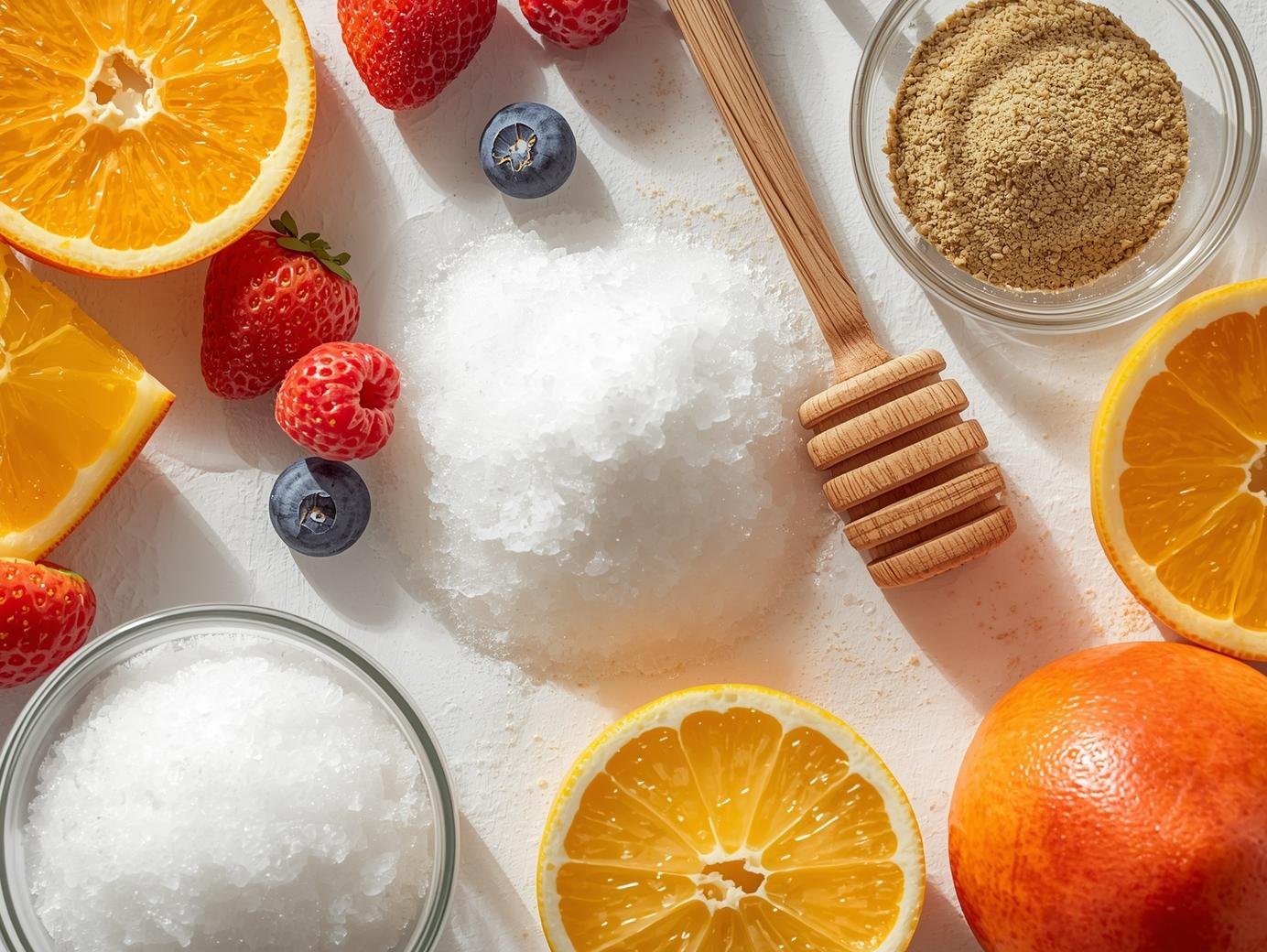
Fruits are nature’s candy. They contain natural sugars along with vitamins, fiber, and antioxidants. Instead of cookies or candy, snack on apples, bananas, or berries. This way, you satisfy your sweet tooth and stay healthy.
5. Bake with Healthier Alternatives
If you love baking, you don’t need to give it up. Instead, experiment with alternatives:
- Replace sugar with mashed bananas or applesauce.
- Use almond flour or oats to add natural sweetness.
- Try recipes with less sugar and more natural flavors.
6. Train Your Taste Buds
It takes time for your taste buds to adjust. Start by gradually reducing sugar in your tea, coffee, or cereal. After a few weeks, your body will adapt, and you’ll start enjoying less-sweet foods just as much as before.
7. Watch Out for Hidden Sugars
Many foods labeled “healthy” are secretly high in sugar, such as granola bars, flavored yogurt, and salad dressings. Always check labels and choose low-sugar options whenever possible.
8. Spice Up Your Meals
Instead of relying on sugar for flavor, use natural spices. Cinnamon, nutmeg, ginger, and vanilla can add a sweet-like taste to foods without actual sugar. These spices not only enhance flavor but also provide health benefits.
9. Eat More Protein and Fiber
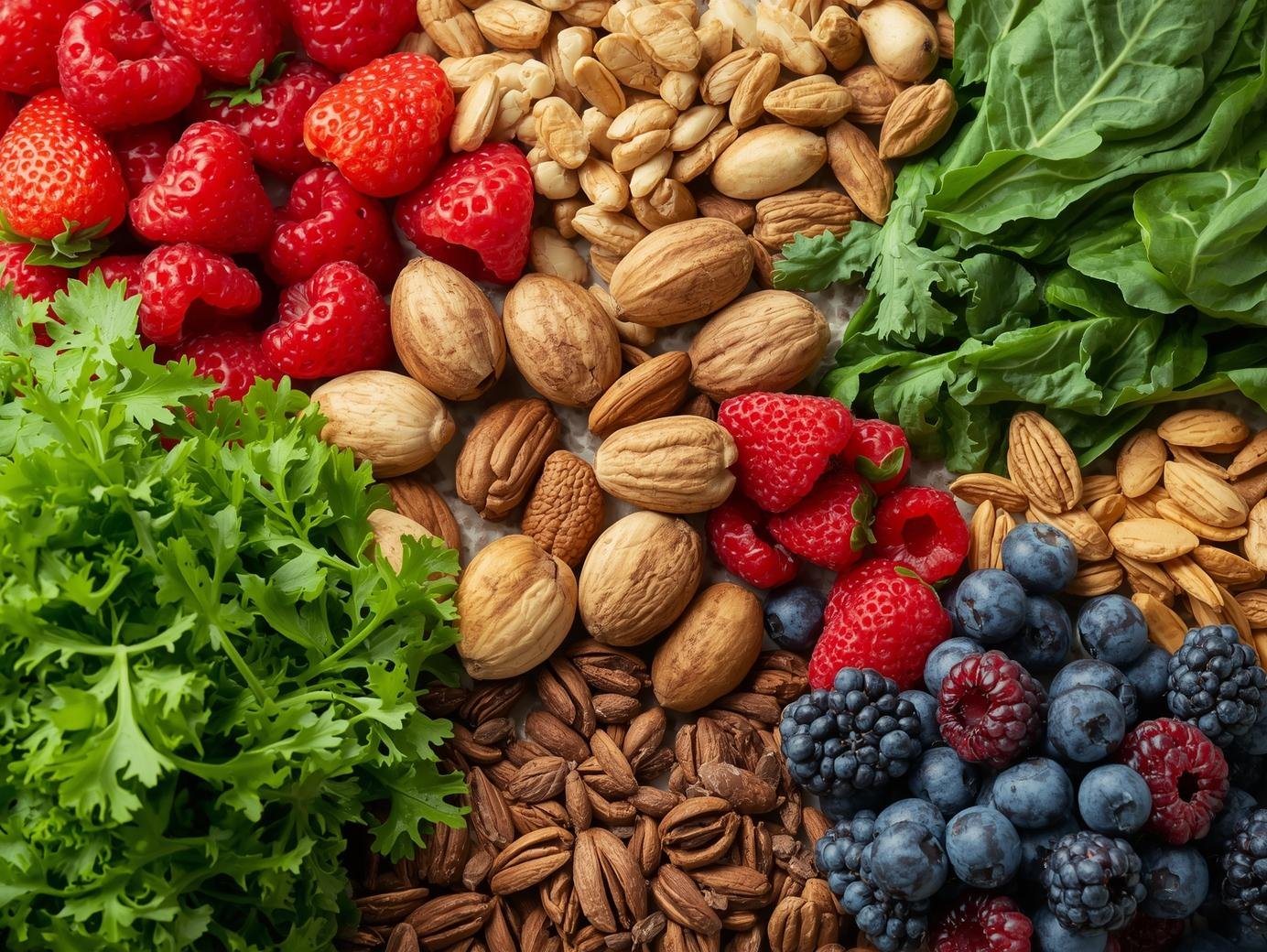
One reason we crave sugar is because our blood sugar levels fluctuate. Eating foods rich in protein and fiber helps keep your energy stable and reduces sugar cravings. Examples include eggs, nuts, beans, whole grains, and leafy greens.
10. Stay Hydrated
Sometimes, sugar cravings are actually a sign of dehydration. Drinking water regularly helps reduce false hunger signals and keeps your body functioning well.
11. Mindful Eating Habits
Slow down when eating. Enjoy every bite, and pay attention to how food makes you feel. Mindful eating helps you recognize when you’re truly hungry versus when you’re just craving something sweet out of habit.
12. Healthy Dessert Swaps
If dessert feels non-negotiable, you can still enjoy it by making healthier swaps:
- Frozen banana ice cream instead of regular ice cream
- Dark chocolate instead of milk chocolate
- Greek yogurt with honey and berries instead of cheesecake
13. Limit Processed Foods
Packaged snacks, fast food, and ready-made meals often contain high levels of sugar. Preparing fresh meals at home gives you control over ingredients and makes it easier to eat clean.
14. Reward Yourself Differently
Many people use sweets as a reward, but you can create new habits. Reward yourself with an activity, a walk, a book, or even a short break. This way, you enjoy satisfaction without relying on sugar.
15. Be Patient with Yourself
Reducing sugar is a journey, not an overnight change. Don’t feel guilty if you slip up—just get back on track. Small, consistent changes lead to long-term success.
Conclusion
Living without sugar doesn’t mean living without sweetness. By making mindful choices, using natural alternatives, and training your taste buds, you can enjoy delicious flavors while protecting your health. Start small, be consistent, and watch your energy, mood, and overall well-being improve. Remember, it’s about balance, not perfection.
For more healthy living tips, explore our other articles at Smart Life Solutions.